


For centuries, shoemakers and cobblers have played vital roles in the world of footwear. While the two terms are often used interchangeably, they actually describe distinct professions with unique skills and historical roots. Understanding the difference between a shoemaker and a cobbler not only helps you appreciate their craftsmanship but also guides you in finding the right expert for your footwear needs. It is also important that the correct terminology be used to prevent bad information from spreading.
The Role of a Shoemaker
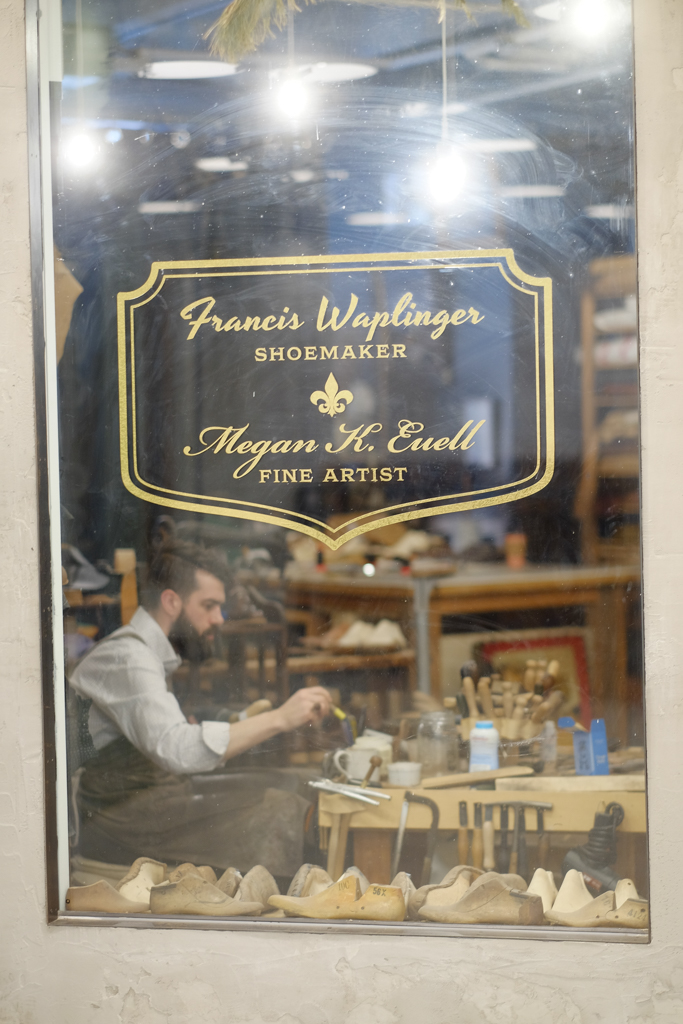
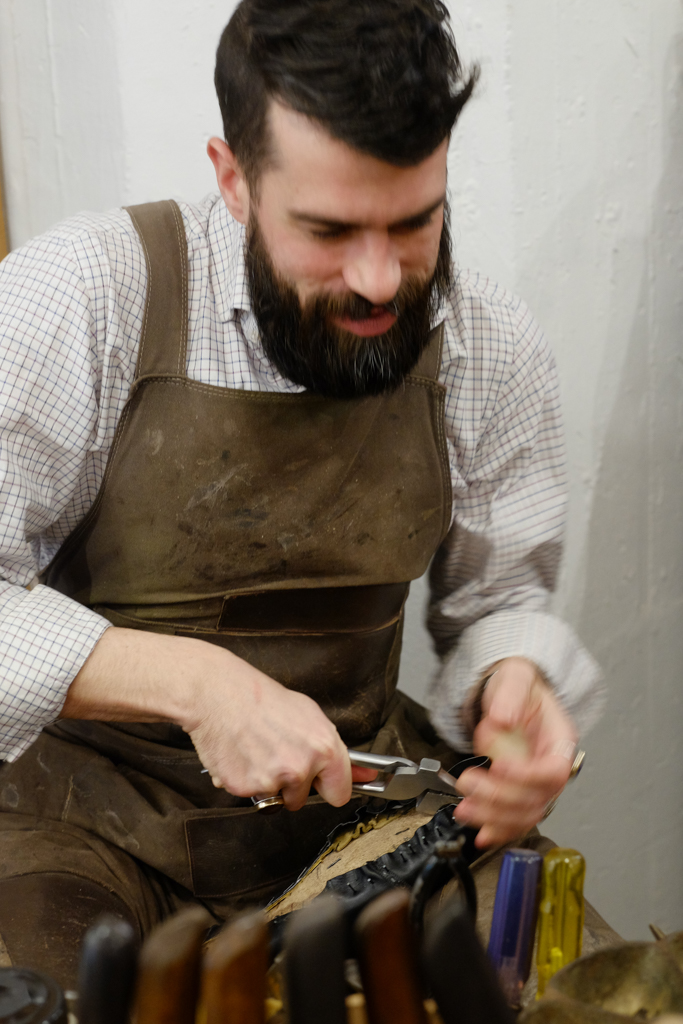
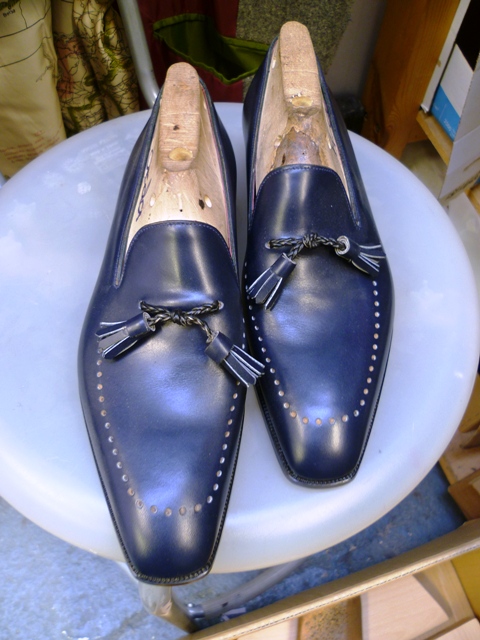
A shoemaker is a craftsperson who designs and constructs shoes from scratch. Historically, shoemakers would create footwear by hand, cutting leather, stitching soles, and shaping the shoe to fit the customer perfectly. Shoemakers are often known for their artistry, using traditional techniques to craft durable and stylish shoes.
Key Characteristics of a Shoemaker:
- Specializes in creating new shoes from raw materials.
- Often uses high-quality leather and traditional handcrafting methods.
- Known for bespoke footwear tailored to individual measurements.
- Examples include famous brands such as George Cleverley, John Lobb, and Gaziano & Girling.
The Role of a Cobbler
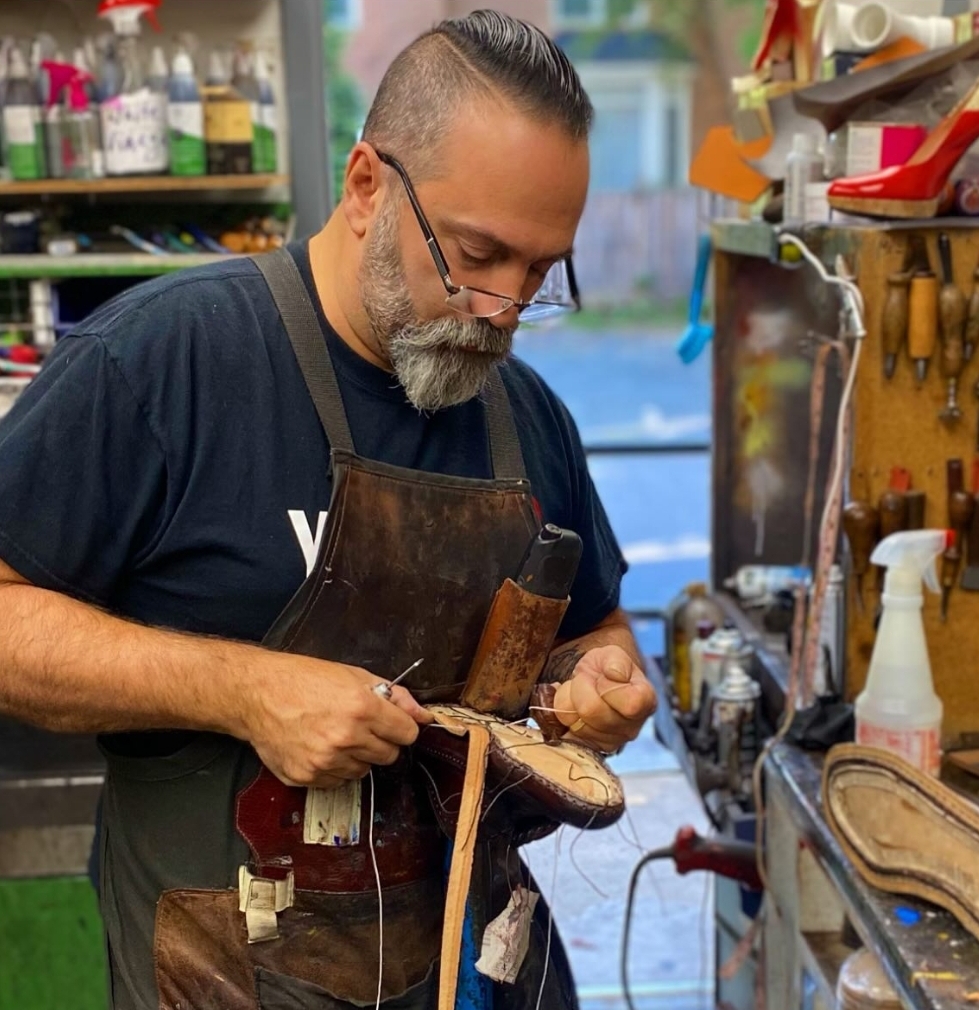
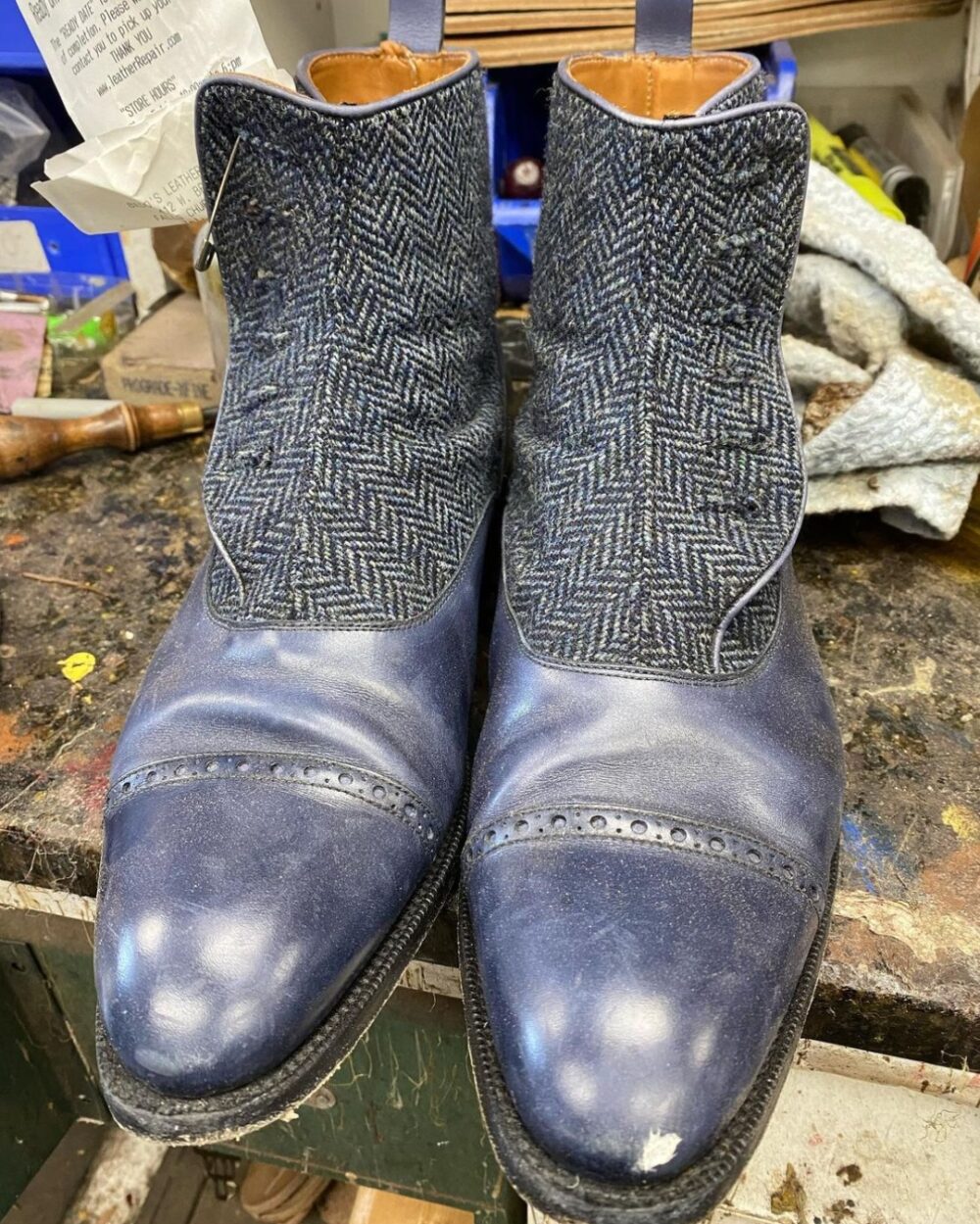
A cobbler, on the other hand, is a specialist in repairing and restoring shoes. Cobblers historically gained prominence by fixing worn-out shoes, replacing soles, mending stitching, and even modifying shoes to improve their comfort or longevity. In modern times, cobblers often blend traditional repair skills with contemporary machinery to restore high-end footwear.
Key Characteristics of a Cobbler:
- Focuses on shoe repairs rather than original creation.
- Skilled in replacing soles, heels, and repairing damaged leather.
- Often works with a wide range of shoe types, from dress shoes to sneakers.
- Plays a crucial role in sustainable footwear by extending the life of the shoes.
The Historical Divide between Shoemakers and Cobblers
The distinction between shoemakers and cobblers dates back centuries. In medieval Europe, shoemakers formed exclusive guilds to protect their craft. Cobblers were often seen as less prestigious, typically working with second-hand shoes rather than creating new ones. Some shoemaker guilds even prohibited cobblers from making new shoes, ensuring a clear divide in their roles.
As industrialization advanced in the 19th century, mass production of footwear reduced the demand for traditional shoemakers. This shift elevated cobblers, who became essential in maintaining and repairing factory-made shoes.
‘Commoners’ as it were, often confused the term, however, as they were not privy to the luxuries of the prestigious shoemakers who often traded solely with the elite class. A cobbler became the shoemaker for the common class.
Modern-Day Relevance
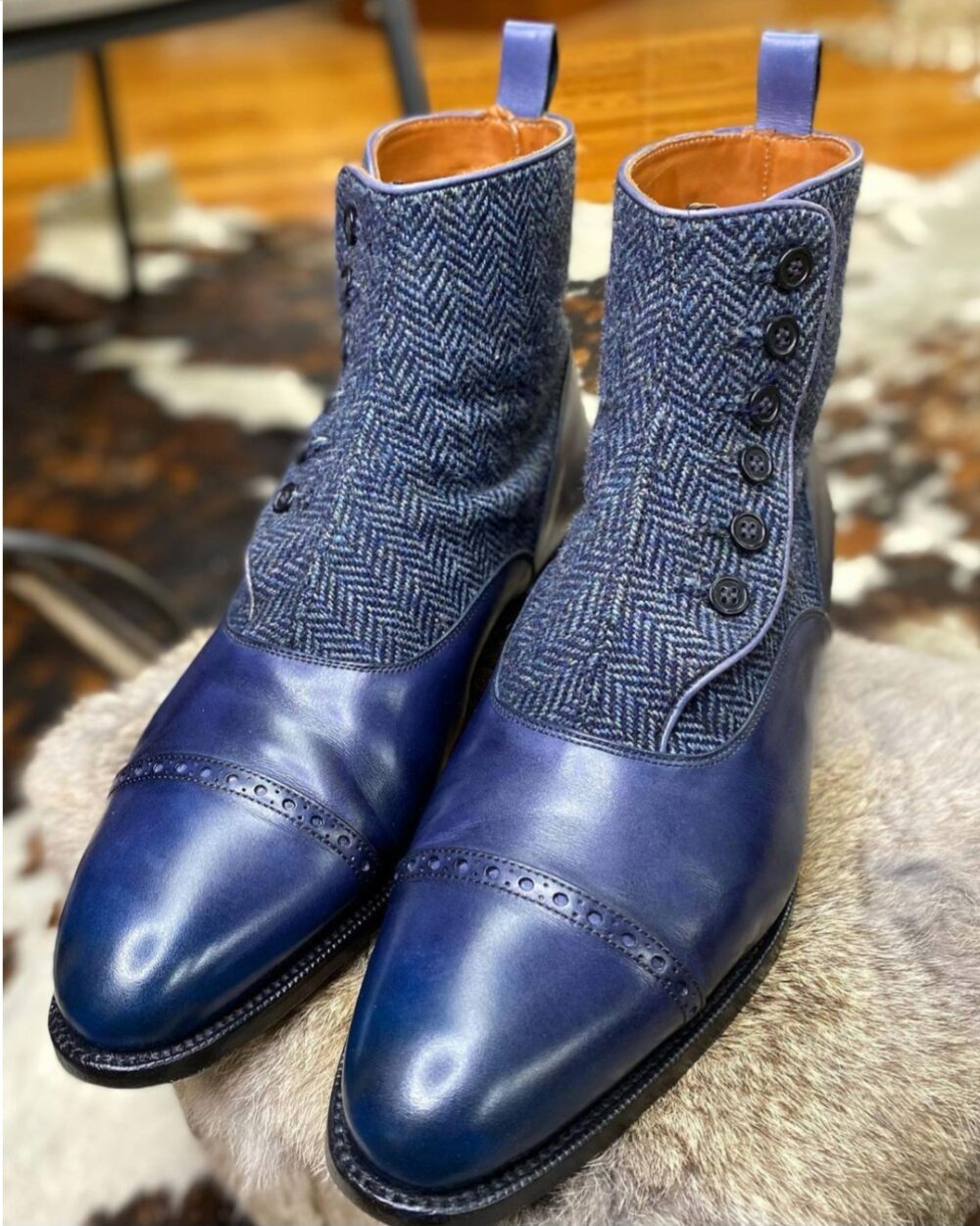
Today, both shoemakers and cobblers are vital in the footwear industry. High-end shoemakers continue to craft exquisite bespoke footwear, while skilled cobblers ensure that luxury shoes maintain their quality for years.
For those who invest in high-end dress shoes, understanding the difference is crucial. If you seek custom-made shoes, a shoemaker is your go-to expert. If you need repairs or restoration for worn-out soles or scuffed leather, a cobbler is your trusted specialist.
Not unlike medieval times, today going to the ‘shoemaker’ to get bespoke shoes is still rarely afforded by anyone outside of the ‘elite’ class, and where we still find ‘common’ people referring to shoemakers as cobblers.
The Conclusion of Shoemakers vs Cobblers
Shoemakers and cobblers have distinct yet complementary roles in the world of footwear. While shoemakers focus on creating elegant and functional shoes from scratch, cobblers excel at restoring and extending the life of your favorite pairs. By appreciating the rich history and craftsmanship behind both professions, you can better understand the dedication and skill that keeps quality footwear alive.
In a day of higher consumerism, the cobbler whose industry was nearly on the brink of collapse has had a revival due to the amount of consumption in the last 20 years and now people are wising up to the idea of fixing their shoes instead of buying new ones!
—Justin FitzPatrick, The Shoe Snob